The story
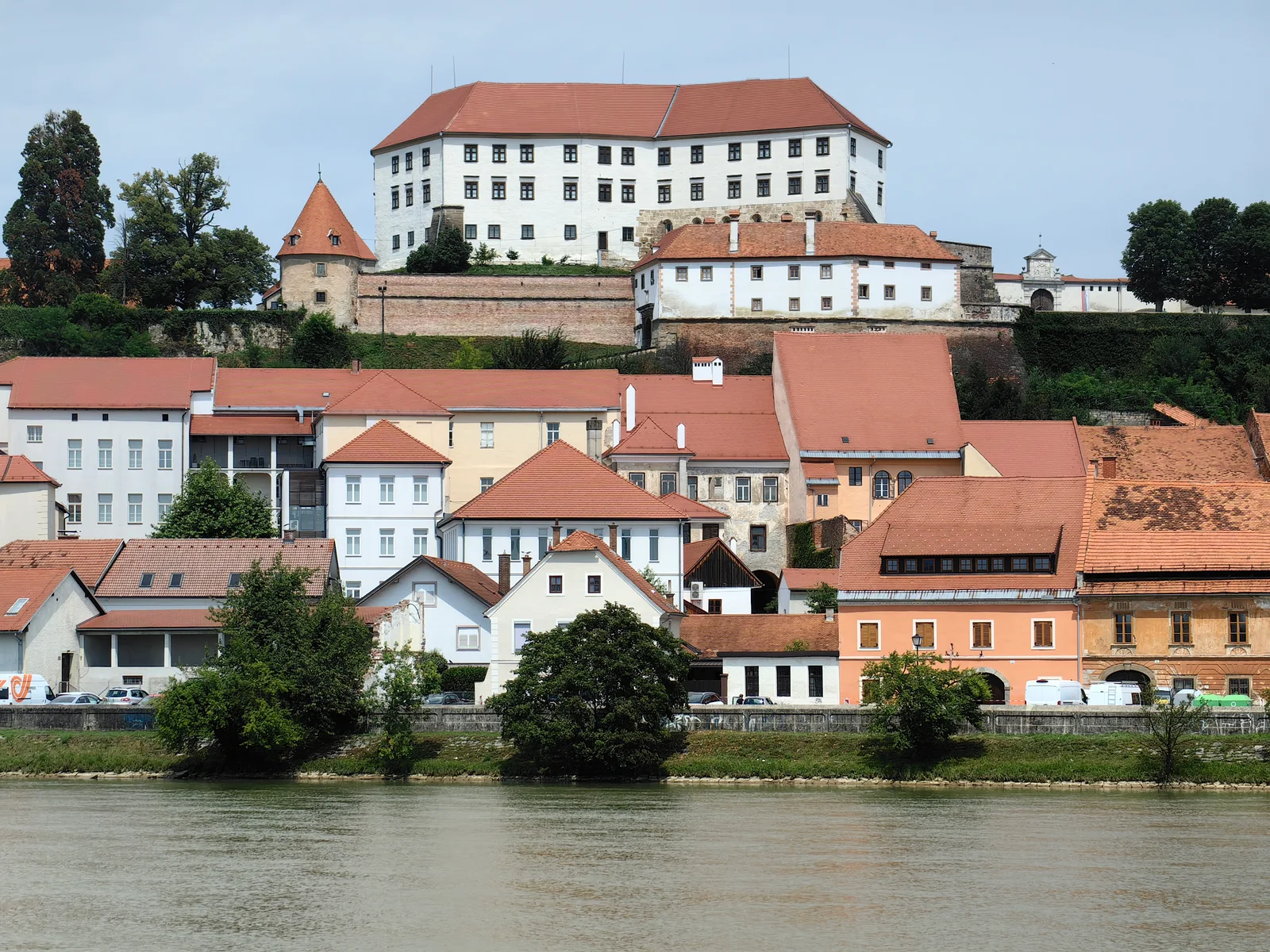
Ptuj grew where geography made people stop: a crossing of the Drava River on important trading routes. Settlement preceded Rome, but under the Romans, Poetovio became a significant military and commercial centre. Its surviving monuments connect today’s streets to the people, beliefs, and trade of that earlier city. After the upheavals of late antiquity, the settlement passed through new political worlds, eventually coming under the influence of Salzburg’s archbishops.
Medieval trade brought renewed prosperity. The Lords of Ptuj strengthened the castle and supported religious foundations, helping shape the compact town that visitors explore today. Churches, monasteries, and the hilltop fortress became enduring landmarks. Town history.
The castle itself tells a story of changing tastes as well as changing rulers. Renaissance and Baroque alterations softened its defensive character. The Leslie family occupied it between 1656 and 1802; the Herbersteins were its last private owners. Following nationalisation in 1945, the building and its furnishings became part of the museum. Rooms once associated with aristocratic life now introduce visitors to regional art, music, and carnival traditions. Castle history.
Five reasons to visit
- Art and music at Ptuj Castle. Explore the museum’s paintings and historic interiors, then seek out the Roman tibia, a rare double flute dated to the second or third century. Museum collection.
- Roman history in an ordinary town square. Visit Slovenski trg for the Orpheus Monument and Roman stones displayed around the city tower. It makes an unusually accessible encounter with antiquity. Historic sights.
- A living carnival tradition. Kurent House explains the region’s distinctive carnival figure. The belief that the Kurent drives away winter and welcomes spring is folklore, distinct from the documented history above. Kurent House.
- Wine beneath the town. Book a tasting at Ptuj Wine Cellar, whose origins are traced to a cellar built by Minorite friars in 1239. Cellar visits.
- Cycling beside the Drava. Choose the easier Drava double loop or head toward Mestni Vrh for a more demanding ride among vineyards. Official cycling routes.
Taste and timing
Look for haloška gibanica, a regional baked dessert with a yeasted base, fresh cheese, and sour cream, plus wines from Haloze and Slovenske Gorice. Slovenian tourism board.
My seasonal pick is May–June or September for a trip centred on walking and cycling. Choose the winter carnival season for Kurentovanje instead, checking that year’s programme before booking. For international access, Graz is a useful nearby gateway: Ptuj’s tourism office lists it at approximately 95 km by road. Ptuj also has a railway station a few hundred metres from the centre. Transport information.
Researched feature, not a firsthand travel report. Travel details reflect the research date; confirm access and transport before setting out.