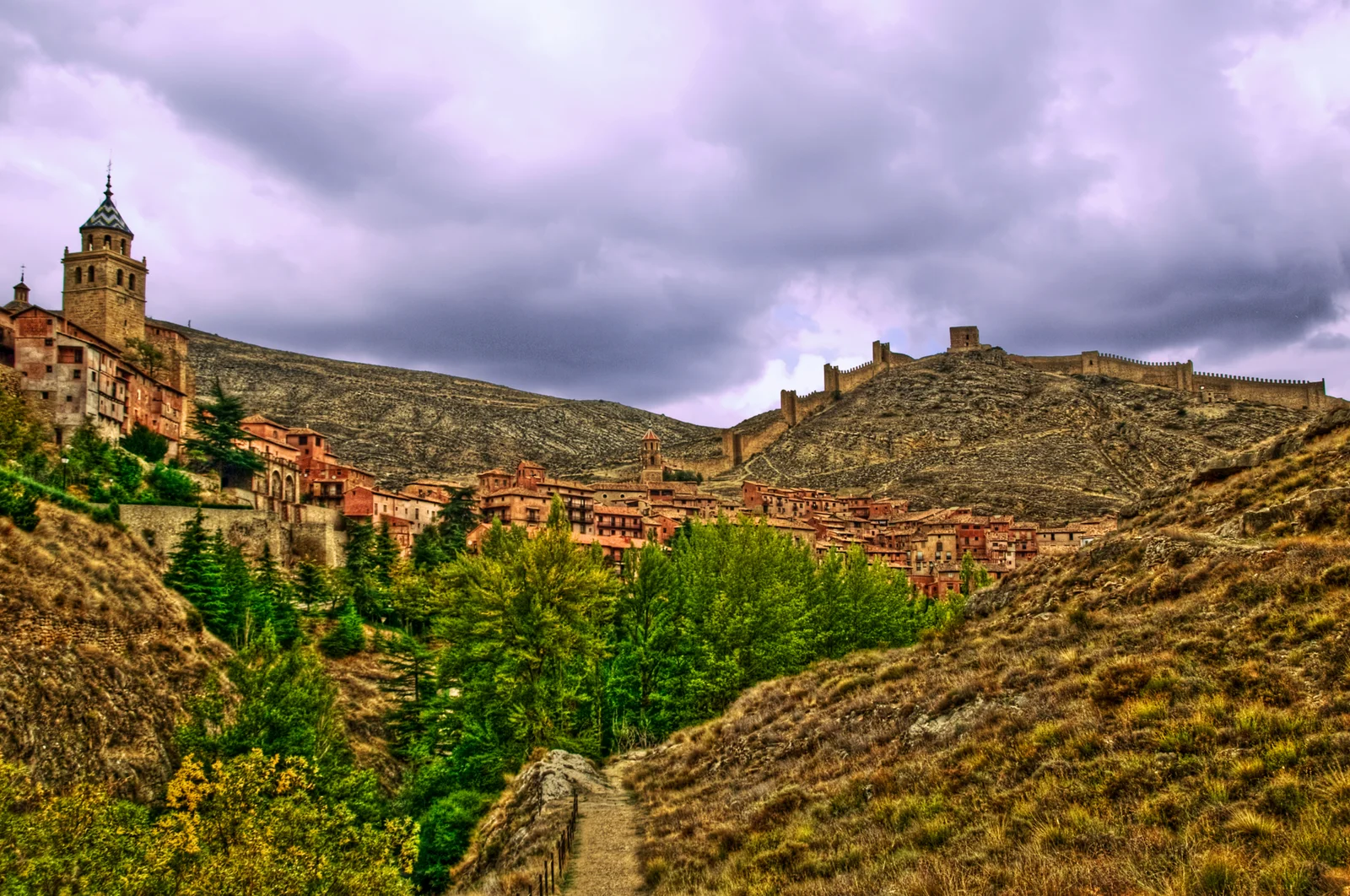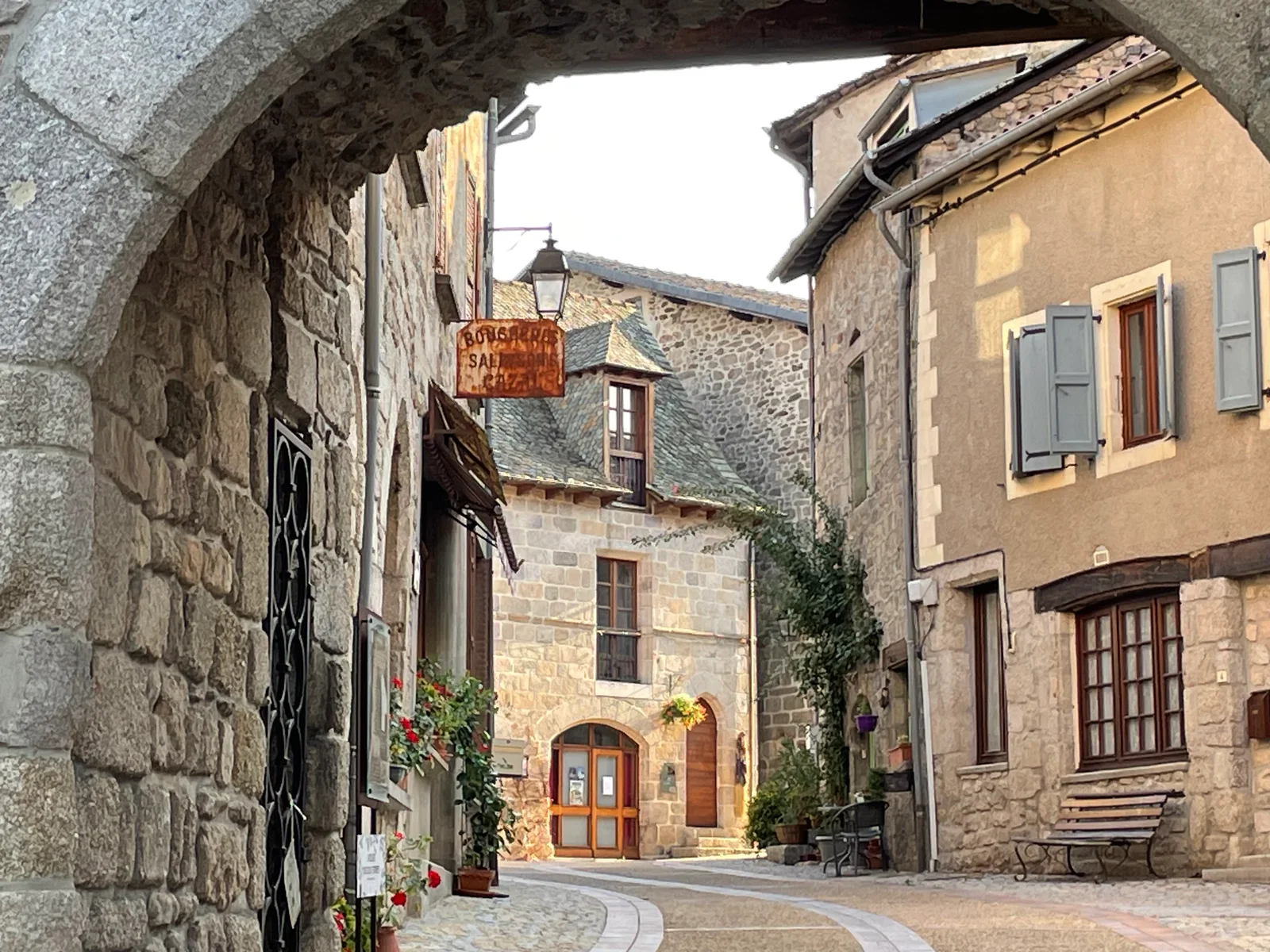
Marvão: above the Alentejo
Above the Alentejo plain, Marvão balances whitewashed lanes and a frontier castle on a granite crag, with November’s chestnut fair bringing another reason to climb into the clouds.
The History
Marvão’s name recalls Ibn Marwan, the ninth-century rebel against the Emirate of Córdoba who used this rocky refuge when his position in Badajoz was threatened. The municipality records his retreat here in 884. The Roman city of Ammaia had already developed in the valley below; a Roman defensive position on the hill is a historical hypothesis, rather than an established surviving watchtower.
The municipal account places Afonso Henriques’s conquest in his campaign of 1160–1166, while acknowledging uncertainty about whether control was permanent. Sancho II granted the settlement its first royal charter in 1226. Dinis seized the fortress from his brother in 1299, and the castle’s fabric records successive campaigns of strengthening rather than a single founding moment. Later medieval alterations reshaped the keep and provided the large cistern.
During the seventeenth-century wars over Portuguese independence, the medieval stronghold acquired defences suited to new warfare. It remained strategically important in later conflicts, including the Peninsular War and the Liberal Wars. Read the village as a layered frontier settlement: the dramatic setting is immediate, but the history is more complicated than the idea of one founder building the entire castle. Municipal history · Castle construction phases
Five Reasons to Visit
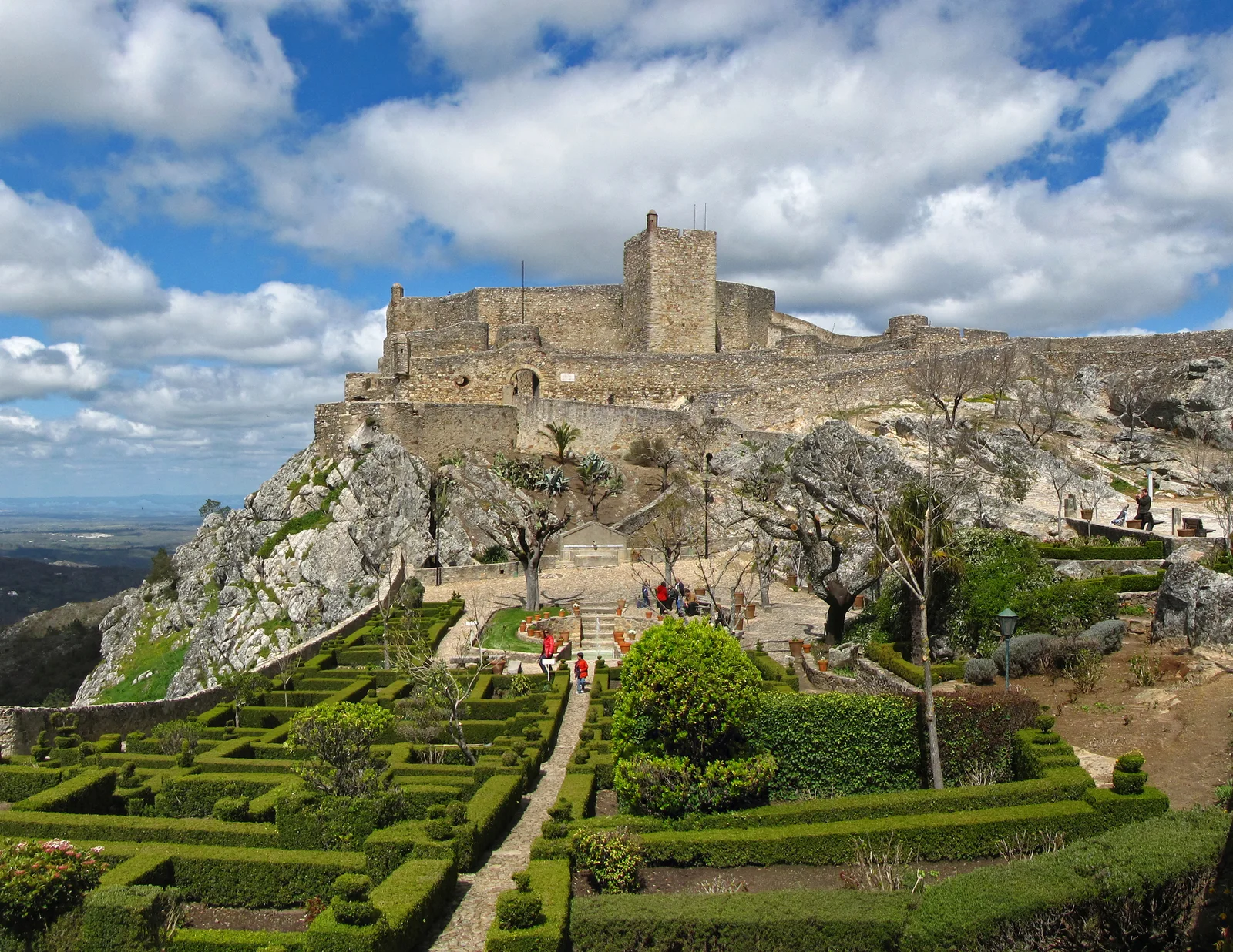
- Explore the castle keep and cisterns. The national tourism board places the castle at 843 metres on the Serra do Sapoio. Its Romanesque doorway, pointed arches and later fortifications reward a closer look between views toward Spain. Castelo de Marvão
- Follow the walls through the village. Stonework meets exposed granite while whitewashed houses gather inside the enclosure. The defences include seventeenth-century gates; the popular saying about seeing birds from above is local imagery, not a promise of a particular wildlife sighting. Take care on exposed sections and check which routes are open. Castle and walls
- Find the village’s memory in Santa Maria. The former church houses the Museu Municipal. Its story is also a community one: the municipality credits residents who contributed objects to the collection. Municipal museum
- Look below the crag to Roman Ammaia. At São Salvador da Aramenha, the archaeological site gives the hilltop story an older counterpart. The municipality’s account of the excavations describes research in the forum and the identification of an amphitheatre in 2019; that discovery is historical evidence, not a claim that every excavated area is open today. Confirm visitor arrangements directly. Official visitor listing · Municipal excavation report
- Plan for the chestnut fair. The municipality confirms the 42nd Festa do Castanheiro – Feira da Castanha for 14–15 November 2026, with participation invited from producers and craftspeople. For an earlier outdoor date, its calendar lists Alentejo Walking in Marvão on 1 November 2026. Check the programme and registration arrangements before making plans. Fair announcement · Walking event
Eat and Plan
The distinctive autumn ingredient is Castanha Marvão-Portalegre DOP, whose defined production area includes Marvão, Castelo de Vide and Portalegre. The agriculture authority lists chestnut soup, pork or turkey with chestnuts, and chestnut flour among regional uses. These are dishes to look for, rather than a verified menu at every restaurant. DOP record
The municipal food directory also introduces migas, açorda and local chestnut cooking. Varanda do Alentejo’s municipal listing places it on Praça do Pelourinho; Guarita describes contemporary Alentejo cooking based on regional ingredients. Guarita’s website lists Wednesday closure, so it is not a dining option to assume for this feature’s publication day.
Late October and November suit a chestnut-themed trip, with the confirmed fair still ahead; spring is another option for exploring the surrounding Serra de São Mamede. The photos are archival and do not show current weather or foliage. Portalegre is a useful road gateway. The operator’s Linha 8012 PDF lists Marvão and weekday services excluding holidays, with separate school and non-school periods. The document carries an effective date of 17 September 2020: confirm that it applies on your travel date, especially for the return journey. No individual departure or journey duration was verified.
Local Resources
Resources checked: 2026-10-21. These are researched listings, not firsthand recommendations. Website details were checked; room availability and individual bus departures were not. Official-directory alternatives are identified below where a direct site could not be verified.
Start Here
- Câmara Municipal de Marvão — the local authority’s news, heritage pages and event calendar help connect the village with the wider municipality. Location: Marvão village; town hall at Largo de Santa Maria. Visitor detail: its current announcement confirms the chestnut fair for 14–15 November 2026.
See & Do
- Castelo de Marvão — national tourism board description of the keep, cisterns and successive defensive works. Location: the village’s castle crag. Visitor detail: the crag’s approach is from the east; confirm current opening and admission separately.
- Igreja de Santa Maria / Museu Municipal — the municipality’s page explains the former church’s role as a museum built with contributions from residents. Location: Santa Maria, inside Marvão’s walls. Visitor detail: the page does not establish a current opening schedule; ask the tourism office before planning an indoor visit.
- Roman Ammaia — official tourism listing — a national-tourism alternative while the foundation’s direct website could not be verified securely. Location: Quinta do Deão, Estrada da Calçadinha 4, São Salvador da Aramenha, below and outside the hilltop village. Visitor detail: the listing gives +351 245 919 089 for enquiries; confirm opening and access to particular ruins.
- Alentejo Walking in Marvão — the municipal calendar’s local entry offers a specific autumn walking date. Location: Marvão municipality; confirm the route and meeting point with the organiser. Visitor detail: listed for 1 November 2026, 09:30–13:00; registration and available places were not confirmed.
Eat & Drink
- Varanda do Alentejo — municipal directory — a restaurant address on the village’s Pelourinho square, useful when planning a meal inside the walls. Location: Praça do Pelourinho 1 A, Marvão. Visitor detail: the official listing says closed Mondays; confirm directly on +351 245 909 002. Its own site was unavailable during review, so no current menu is claimed.
- Restaurante Guarita — the hotel restaurant connects its cooking with Alentejo olive oil, cheeses, cured meats and other regional ingredients. Location: Rua do Castelo 1, Marvão. Visitor detail: its own page lists Wednesday closure and says same-day dinner reservations should be made by 17:00; confirm before travelling.
Stay Local
- Marvão Hotel & Museu — a village hotel incorporating the Museu da Rua do Castelo and Guarita restaurant. Location: Rua do Castelo 1, inside the walls. Visitor detail: its website offers a shuttle to the hotel from the castle entrance; confirm arrangements when enquiring. No room availability checked.
- El Rei Dom Manuel Hotel — accommodation on one of the walled village’s squares, with direct contact and booking information. Location: Largo de Olivença, Marvão. Visitor detail: its website lists +351 245 909 150; ask about arrival arrangements and room availability directly.
Get Around
- Rodoviária do Alentejo — Linha 8012 timetable — operator PDF for the Beirã–Portalegre route, including a Marvão stop. Location: links the village with Portalegre and intervening settlements. Visitor detail: it distinguishes school/non-school periods and weekdays excluding holidays; its printed effective date is September 2020, so obtain travel-date confirmation rather than assuming the displayed departures remain current.
Sources and Photograph Notes
The linked municipal history, castle record, museum page and excavation report support the historical account; the agriculture authority documents the chestnut designation, and the municipal event announcements establish the 2026 dates. Coordinates [39.3942, -7.3767] are an approximate village-centre reference, consistent with the photographed Pelourinho’s recorded location. All six photographs are archival. The Ammaia photograph shows ruins outside the hilltop village.
Researched feature, not a firsthand travel report. Travel details reflect the research date; confirm access and transport before setting out.