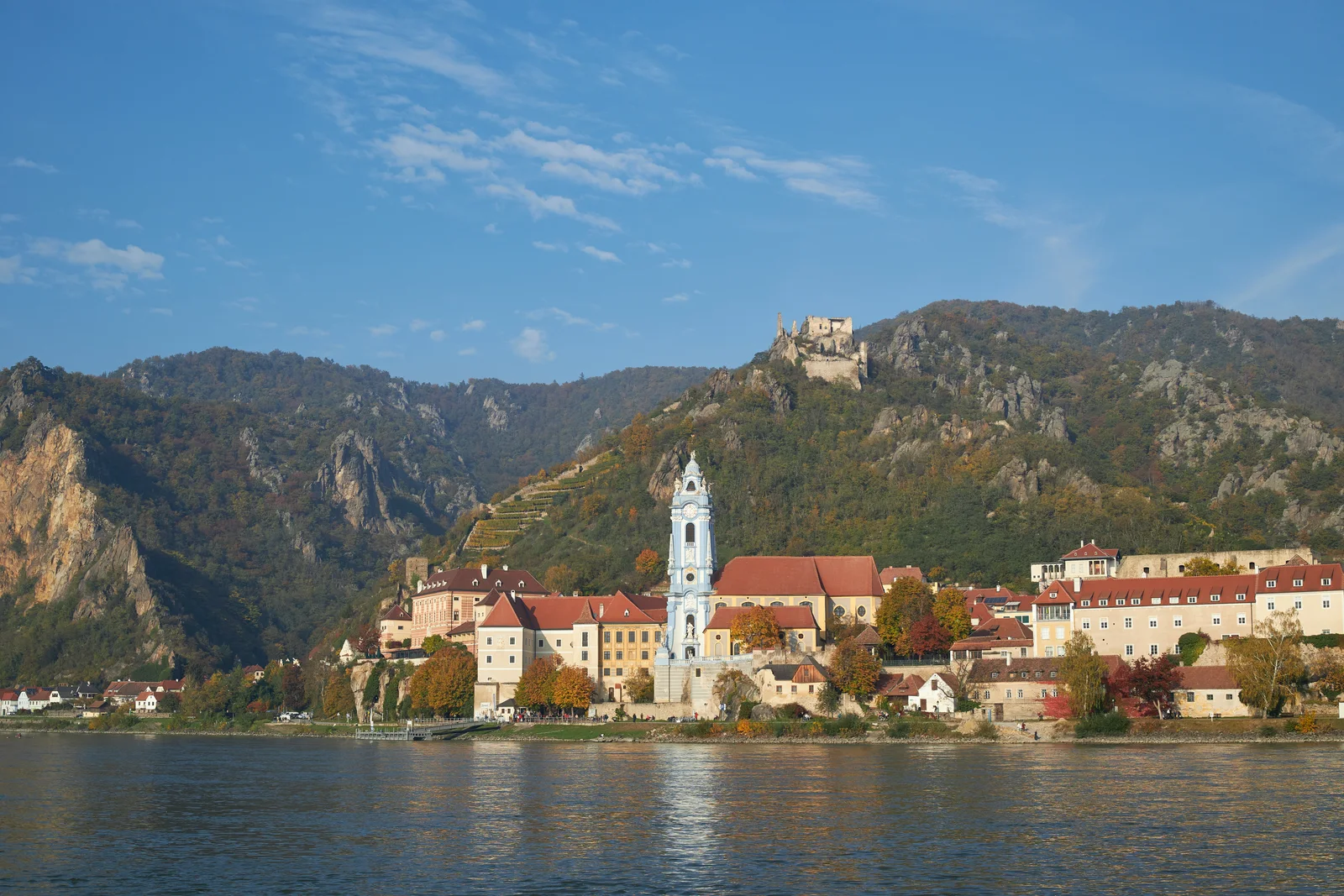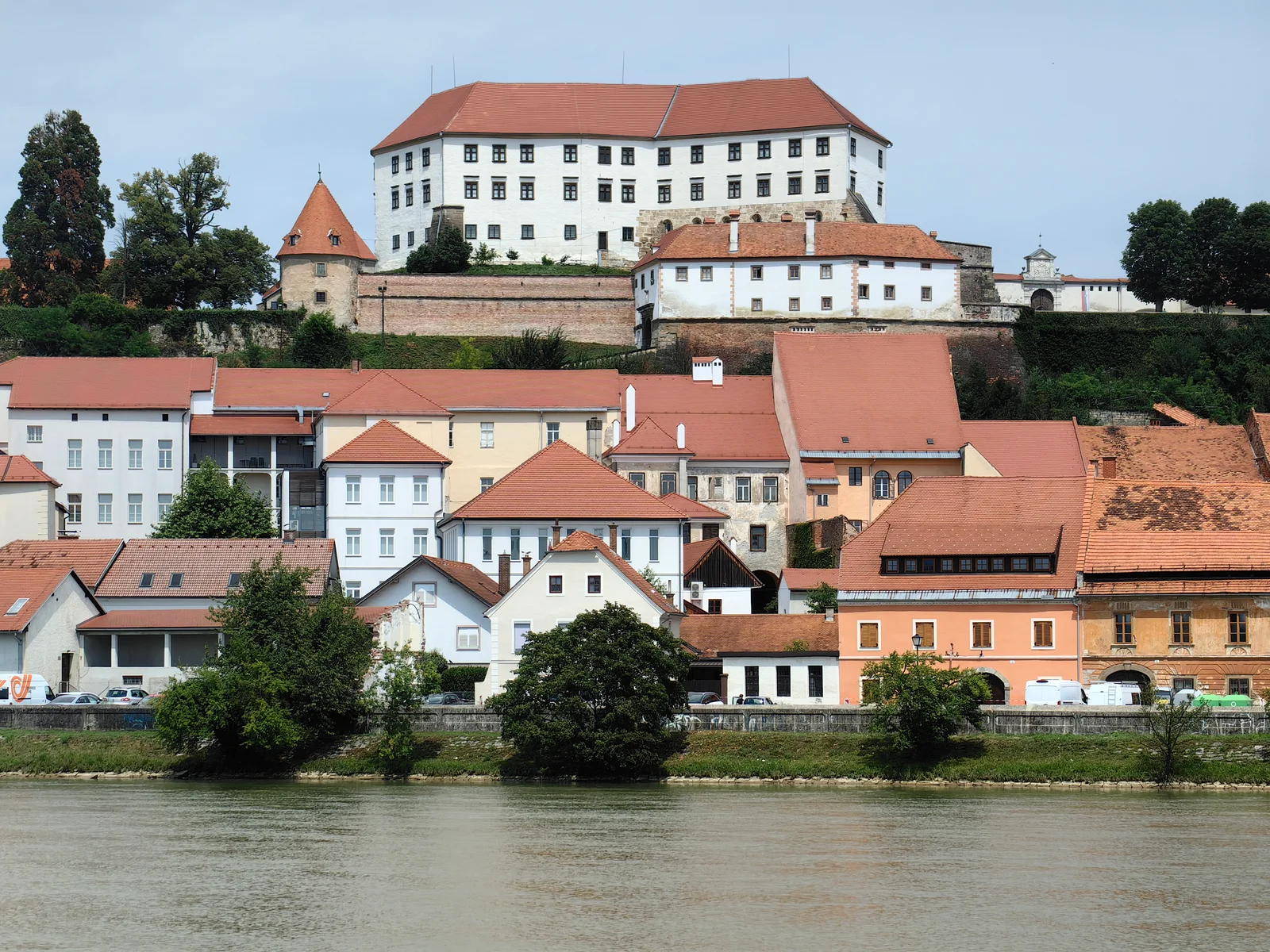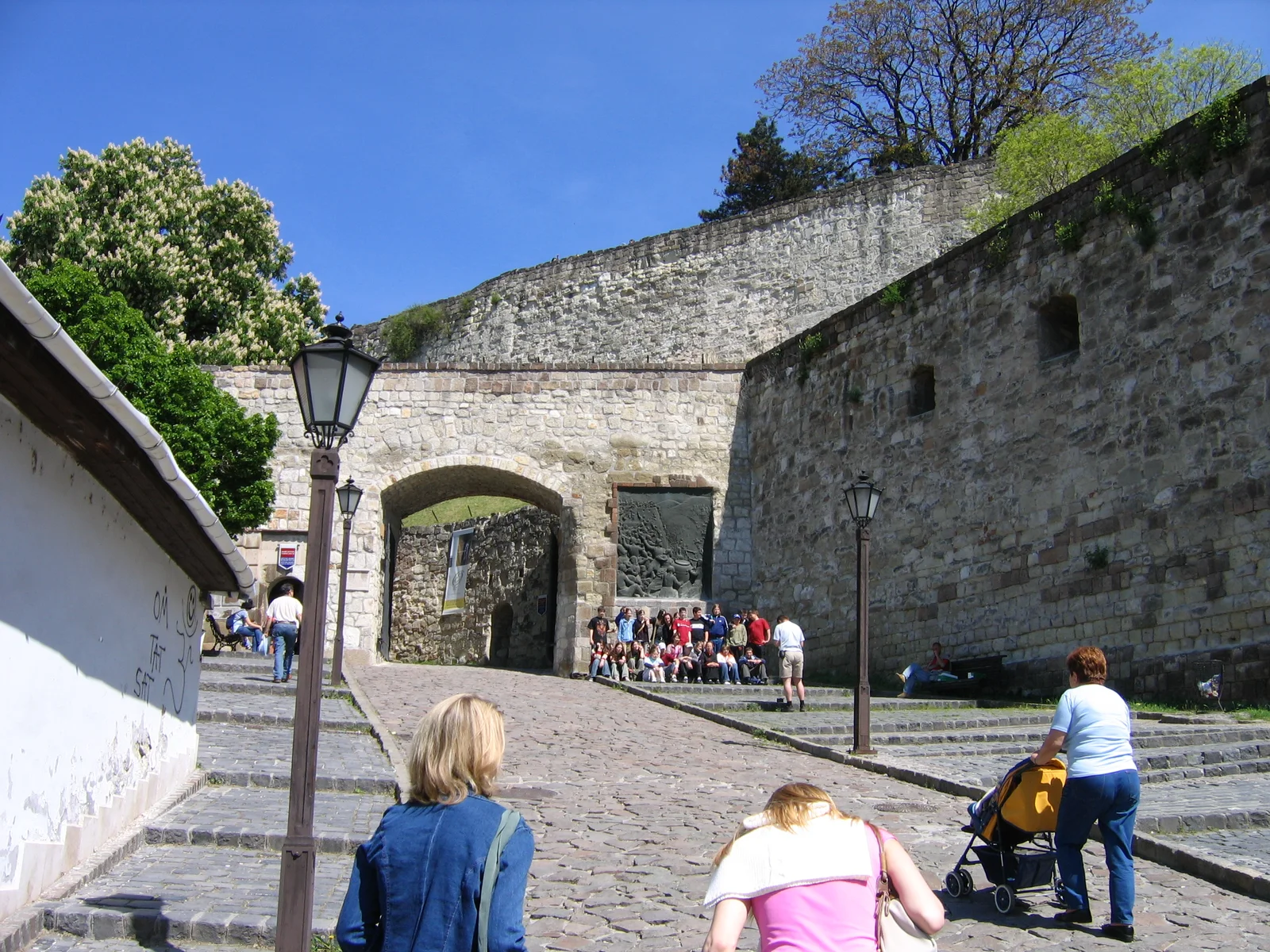
Eger: where Bull’s Blood meets Baroque
In the Bükk foothills, Eger sets a stone fortress above Baroque streets, then leads you out to tufa cellars pouring the wine called Bull’s Blood.
The History
Eger grew around a bishopric established by Saint Stephen, Hungary’s first king. Its first cathedral stood on the hill now occupied by the castle. After the Mongol invasion, permission to build a stone fortress followed in 1248; that fortified religious centre became a border stronghold as Ottoman forces advanced through Hungary. Town history.
In 1552, captain István Dobó and the defenders resisted an Ottoman siege. The museum’s Heroes’ Hall remembers 315 people whose names survive, alongside the red marble cover of Dobó’s tombstone. Géza Gárdonyi later made the siege the subject of Eclipse of the Crescent Moon. The familiar tale that red wine on the defenders’ beards frightened their enemies into believing they drank bull’s blood is a legend, not evidence for the wine’s name. Castle history · Heroes’ Hall · The tourism office on the legend.
The castle fell in 1596, and Ottoman rule lasted until 1687. The surviving minaret and Turkish bathing tradition make that period visible beside the later townscape. Eger’s basilica belongs to another architectural chapter: József Hild designed the neoclassical building, consecrated in 1837, across from the Lyceum. Fortress, minaret and cathedral give the centre a history that cannot be reduced to a single siege. Basilica history.
Five Reasons to Visit
- Put the siege into perspective at Eger Castle. Explore the Bishop’s Palace and the fortress grounds above town. The Heroes’ Hall centres on Dobó’s tombstone cover and the defenders’ names; the museum currently says this room requires a guided tour. The castle visitor guide also explains the underground casemates.
- Look up at the Ottoman minaret. The slender stone tower interrupts the Baroque roofline near Knézich Károly utca. The official tourism listing describes a narrow spiral ascent to its balcony. Check climbing access before setting out; admiring it from the street still makes the contrast with the surrounding churches clear.
- Follow wine into the tufa cellars. Szépasszonyvölgy, the Valley of the Beautiful Woman, gathers cellar doors outside the centre. Compare Egri Bikavér, the red blend, with white Egri Csillag. The point is the cellar landscape as much as the glass: the horseshoe row at Tóth Ferenc’s No. 46 has a carved rhyolite-tuff vault.
- Make an autumn bath stop. The Eger Thermal Bath operator publishes which pools are open, with several seasonal pools currently closed. Its notice says the bath is closed on 1 November 2026. The separate Turkish Bath preserves a pool dating to 1610; check its own admission arrangements rather than assuming one ticket covers both.
- Pair monumental architecture with a camera obscura. Look across from the basilica to the Lyceum. The observatory museum’s basic programme includes its camera obscura and panorama terrace. The operator explicitly says access is by stairs only, extending from the third to ninth floors; this is a substantial climb.
Eat and Plan
Egri Bikavér and Egri Csillag are the local red and white blends to look for. Juhász Pince also lists the region’s Leányka and Olaszrizling. At Tóth Ferenc’s cellar, tastings can be paired with cheeses and spreads; Butykos Kisvendéglő supplies a restaurant stop in the same valley. These are researched options, not reports of meals or tastings.
Spring and early autumn suit a walking-led visit. Late October offers an indoor thread through the town’s wine story: the tourism office lists Eger Wine Tasting – The Heritage of Viticulture, at the castle museum’s Dobó Bastion, for 2 October 2026–2 May 2027. This is an exhibition about wine culture, not a promise of an included drink. The museum’s own exhibition page describes tools, documents, films and the relationship between wine and geology; VisitEger supplies the dated visitor listing. Harvest activity and mild weather are not guaranteed. All photographs are archival.
Budapest is the practical gateway. The official train arrival guide describes direct services from Budapest-Keleti, generally under two hours. Check MÁV for the actual date, station, journey time and disruption notices; no individual departure or hourly frequency was verified. Plan the wine valley separately from the central sights and arrange a return that does not involve driving after tasting.
Local Resources
Resources checked: 2026-10-22. These are researched listings, not firsthand recommendations. Websites and the details below were checked; no room, table, tasting or departure availability is implied. Official-directory alternatives are labelled.
Start Here
- Tourinform Eger / VisitEger — the city tourism organisation’s starting point for sights, programmes and practical information. Location: Bajcsy-Zsilinszky u. 9, historic centre. Visitor detail: the site lists +36 36 517 715 for visitor enquiries.
See & Do
- Dobó István Castle Museum: Heroes’ Hall — the siege memorial room gives names and objects to the castle’s history. Location: Bishop’s Palace, castle grounds, Vár köz 1. Visitor detail: currently viewable with a guided tour; check the museum’s arrangements before visiting.
- Minaret — official tourism listing — an Ottoman landmark amid the later townscape. Location: Knézich Károly utca, centre. Visitor detail: the listing describes a narrow spiral staircase to the balcony. This directory alternative is used because the operator’s site could not be verified during this run; climbing hours remain unconfirmed.
- Eger Thermal Bath — a town bath beside Érsekkert, useful for an autumn itinerary. Location: Petőfi tér / Érsekkert area. Visitor detail: its live pool-status table distinguishes open pools from closed seasonal ones; the operator announces closure on 1 November 2026.
- Observatory and Science Experience Center — the Lyceum tower museum connects Eger’s architecture with optical and astronomical exhibits. Location: Eszterházy tér 1. Visitor detail: stairs only, from the third to ninth floors; the operator says the site is not step-free. Its seasonal hours page and header differ, so confirm the day’s admission time directly.
Eat & Drink
- Tóth Ferenc Pincészet, cellar 46 — a tasting room in the horseshoe cellar row, with a carved tuff vault and food accompaniments. Location: Szépasszony-völgy 46, outside the historic centre. Visitor detail: the cellar page lists Tuesday closure and a tasting booking contact, +36 30 178 7042; confirm arrangements for a structured tasting.
- Juhász Pince — a producer pouring Eger wines at a valley cellar door. Location: Szépasszonyvölgy 40. Visitor detail: the site identifies No. 40 as the tasting cellar and adjacent No. 41 as a separately rentable event space.
- Butykos Kisvendéglő — a meal stop among the valley’s wine cellars. Location: Szépasszony-völgy, Disznófősor 1. Visitor detail: its own site has menu and reservation sections and lists +36 36 950 715; menu availability was not confirmed with the restaurant.
Stay Local
- Indium City Panzió — a small Eger pension whose location connects a town stay with the wine-valley area. Location: Deák Ferenc u. 20. Visitor detail: the property lists nine rooms and self check-in after 15:00; public parking is subject to space, and no room availability was checked. Ownership was not independently established.
Get Around
- VisitEger: arriving by train — town-specific guidance for the Budapest-Keleti gateway and connections via Füzesabony. Location: rail approaches to Eger. Visitor detail: the guide describes direct Budapest services, while journeys from other directions may require a change.
- MÁV travel information — the official operator site linked by Eger’s tourism office for timetables and ticketing. Location: national rail and bus network serving Eger. Visitor detail: use its ticket-purchase link for a date-specific search; no departures, fares or disruption-free service are promised here.
Sources and Photograph Notes
History, attractions and practical details link to their supporting pages above. Coordinates [47.8990, 20.3747] are an approximate centre reference near the basilica and Lyceum, consistent with the geolocated Commons basilica photograph, not an entrance or navigation instruction.
Six distinct archival Commons photographs were visually inspected and their source-page rights checked on 2026-10-22. Credits and exact licenses appear beside each photograph. The Dobó Square aerial is only 600×400 pixels at source and is not upscaled for the website; its social derivative is padded. WebP conversions and social JPEG resizing/padding retain each original ShareAlike license. The two Pudelek photographs carry the author’s attribution; his request for a courtesy usage message is recorded in the private original.
Photos-only feature: this review did not establish suitable Eger footage with verified location, reuse and soundtrack rights. Search results for other places called Eger and for Budapest were excluded. No reference-only footage is offered as a reusable asset.
Researched feature, not a firsthand travel report. Travel details reflect the research date; confirm access and transport before setting out.